The “Move-In” Budget: Calculating the True Cost of Starting a Tenancy in Malaysia
You have spent weeks scrolling through property portals and finally found the perfect unit. The listing says the rent is RM1,500 per month. In your mind, you are ready to transfer RM1,500 and pick up the keys. Unfortunately, that is not how it works. In Malaysia, the barrier to entry for renting is surprisingly high. If you are not prepared for the upfront cash requirement, your move-in plans can come to a screeching halt.
Most landlords and agents in Malaysia stick to a standard market formula. This means before you even pack your first box, you need to budget roughly three and a half to four times the monthly rental amount. Let’s break down where all that money goes.
The “2+1+0.5” Rule: Your Fixed Upfront Costs
The biggest chunk of your budget will go toward deposits. The standard practice in Malaysia is known as the “2+1+0.5” rule.
First, you have the Security Deposit, which is typically equivalent to two months of rent. This money is held by the landlord to cover any potential damages or unpaid bills at the end of your stay. It is important to remember that this money is legally refundable, provided you return the property in good condition. However, tenants often mistakenly think they can use this deposit to pay for their last two months of rent. Unless your agreement specifically allows this or you get written permission, this is generally not allowed.
Next is the Advance Rental, which is simply your first month’s rent paid in advance.
Finally, there is the Utility Deposit, usually calculated as half a month’s rent. This covers your water, electricity, and broadband internet bills. If you are renting a whole unit rather than just a room, this amount ensures the landlord isn’t left with a massive electricity bill if you move out unexpectedly.
So, for a unit with a rental of RM1,500, the math looks like this:
You need RM3,000 for the Security Deposit, RM1,500 for the first month’s rent, and RM750 for the Utility Deposit.
That is RM5,250 just to sign the contract.
The “Paperwork” Costs: Hidden Fees
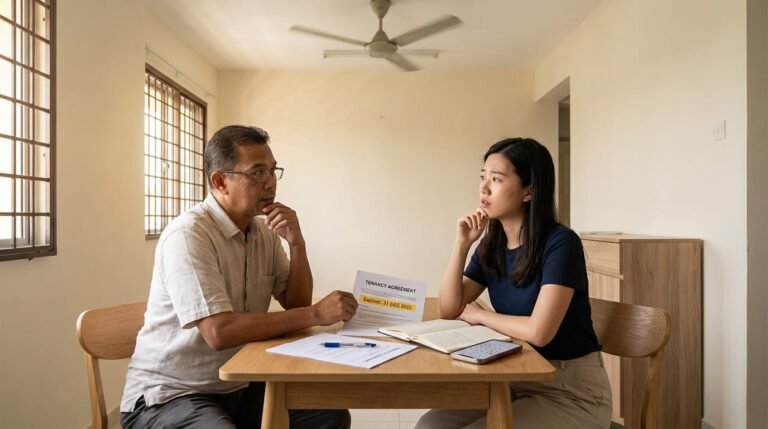
Beyond the deposits, there are administrative costs that often catch first-time renters off guard. The most common is the Tenancy Agreement Fee. If you are dealing with a real estate agent or a lawyer, they will charge a professional fee to draft the contract. This can range from RM300 to over RM600 depending on the complexity and rental amount.
You also have to pay Stamp Duty, which is a government tax paid to LHDN (Inland Revenue Board) to make your contract legally admissible in court. While you cannot avoid Stamp Duty, you can avoid the expensive drafting fees. This is where a DIY Tenancy Agreement shines. If you are renting directly from a landlord, suggesting the use of a standard publisher template saves you hundreds of ringgit in legal fees. You simply download the bilingual pack, fill in the details, and only pay the government Stamp Duty.
The Logistics: Moving and Settling In
Once the keys are in your hand, the variable costs begin. Unless you have a friend with a pickup truck, you will likely need to hire a mover or a service like Lalamove. For a local move within the Klang Valley or Penang, budget anywhere from RM100 to RM500 depending on the volume of your items.
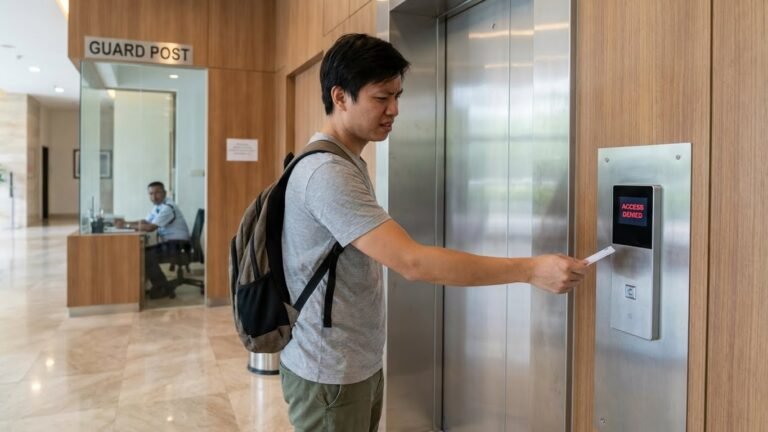
You also need to set up your connectivity. While the landlord ensures basic utilities are connected , you are usually responsible for subscribing to your own internet service. Many providers require an upfront deposit or installation fee, especially for foreigners or short-term plans.
Finally, there is the “First Week Shop.” Even a “Fully Furnished” unit often lacks the small essentials like cleaning supplies, extension cords, or specific blackout curtains you might need for better sleep. The good news is that our tenant-friendly agreements allow you to make minor alterations—like installing Wi-Fi, hanging curtains, or putting up wall shelves—without needing the landlord’s written consent, as long as you don’t cause structural damage.
Protecting Your Cash: Getting the Deposit Back
The most expensive part of renting isn’t always the move-in; it is failing to get your deposit back when you move out. This is why the specific wording in your agreement matters. A vague contract might let a landlord charge you for painting the walls even if the paint was already old.
A solid agreement clearly distinguishes between “damage” and “Fair Wear and Tear”. It ensures you are not responsible for the natural aging of the property, like faded curtains or minor scuff marks. Furthermore, our DIY agreements include specific timelines for refunds, this prevents your money from being stuck in limbo for months.
Conclusion
Renting a new place is exciting, but it requires serious financial preparation. As a rule of thumb, ensure you have at least four months’ worth of rent saved up before you sign anything. And when you do sign, make sure the contract protects your deposits.
Using a DIY Tenant Agreement pack not only saves you money on admin fees today but safeguards your thousands of ringgit in deposits for the future.