Rental Scams in Malaysia — How Landlords and Tenants Can Protect Themselves
Rental scams in Malaysia have become increasingly common, especially in busy urban areas like Kuala Lumpur, Penang, and Johor Bahru. With high demand for rental units and the rise of online listings, scammers now have more opportunities than ever to target both tenants and landlords.
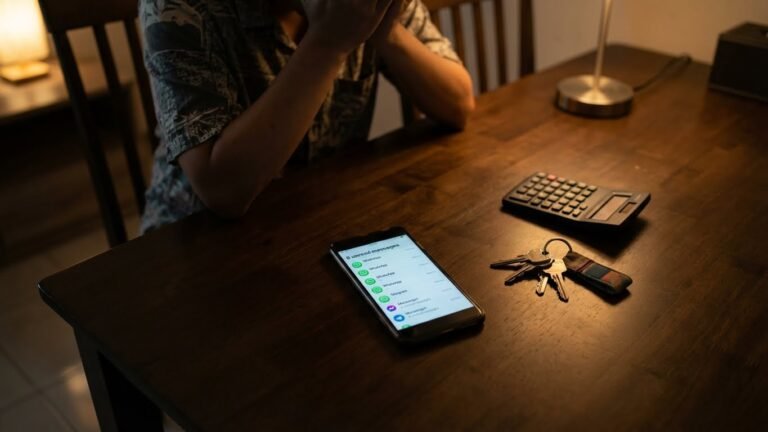
Students renting for the first time, young working adults, expats, and even experienced property owners have all been affected by scams carried out in many different ways. Some people lose their deposit, others lose a few months of rent, and some even realise the “landlord” never owned the unit to begin with.
But the good news is that rental scams are preventable. If you understand the common techniques used, recognise early warning signs, and take straightforward steps to verify information, you can protect yourself long before money changes hands.
This guide explains the most common scam patterns in Malaysia, how to spot red flags, and how landlords and tenants can stay safe with practical, real-world steps.
1. The Most Common Rental Scams in Malaysia
Scammers often rely on creating urgency, offering attractive deals, and targeting people who are rushing to secure a place. These are the patterns seen most often:
(a) Fake Agent or Fake Listing
The scammer reposts photos of a genuine property taken from the internet, or even from Airbnb. They claim they can offer the unit at a lower price and insist that the deposit must be paid quickly to “secure” the place.
Typical excuses used:
- “Owner is overseas, cannot show house now.”
- “Many people asking, first come first serve.”
- “Only can view after paying booking fee.”
Once the victim transfers money, the scammer disappears.
(b) Unrealistically Low Rental Price
If a unit normally rents for RM2,000 but someone lists it for RM1,200, there is almost always a catch. Scammers use low prices to trigger emotional urgency, making people act faster and skip verification steps.
(c) Fake Landlord or Fake Tenant Scam
Landlords can be scam victims too. Most commons examples include:
- A “tenant” sends fake payment slips for deposit or rent.
- Someone pretends to be the owner and collects multiple deposits for the same unit.
- A scammer pretends to rent, moves in temporarily, and disappears without paying.
These scams work because many Malaysians still rely heavily on WhatsApp communication and verbal promises instead of proper documentation and verification.
2. Early Warning Signs Malaysians Should Not Ignore
These red flags should immediately make you cautious:
• Asked to pay deposit before viewing
This is the number one sign of a scam.
• Price is significantly cheaper than market rate
Scammers use low prices to attract desperate or inexperienced renters.
• The “agent” refuses video calls or avoids showing their face
They often claim they are travelling, busy, or have poor connection.
• Payment requested to unfamiliar names or e-wallets
Scammers prefer methods that make it difficult to trace them.
• Photos look too perfect or do not match Malaysian design standards
Some images are taken from other countries.
• They push hard with urgency
Phrases like “decide now” and “others are waiting” are common tactics.
• They cannot provide simple property details
Basic answers about unit number, building management, or layout should be easy to provide.
If anything feels suspicious, slow down immediately.
3. Why Rental Scams Keep Happening in Malaysia
Rental scams continue to thrive in Malaysia because the environment makes it surprisingly easy for scammers to operate. Demand for rental units is extremely high, especially in major cities and university areas where students, new graduates, and young professionals are constantly looking for housing. Many of these renters are first-timers with limited experience, making them more vulnerable to pressure and persuasion.
Another major factor is urgency. Tenants often rush to secure a unit before a semester begins, before starting a new job, or before their current lease ends. In that moment of urgency, people skip verification steps and take risks they normally wouldn’t. On the landlord’s side, over-reliance on WhatsApp communication and verbal agreements is still very common. When documentation is weak or unclear, scammers can slip through easily by pretending to be genuine tenants or presenting fake payment proofs.
The lack of a fully implemented Residential Tenancy Act also contributes to the problem because many Malaysians are unsure about proper procedures, rights, and protections. This confusion gives scammers room to manipulate victims. And finally, human nature plays a role. Some victims assume “it won’t happen to me,” while others who get scammed feel too embarrassed to report it, allowing the scam patterns to continue unchecked.
All these factors create an environment where verification is often skipped, expectations are unclear, and documentation is not taken seriously — conditions that scammers are very skilled at exploiting.
4. How Tenants Can Protect Themselves
Here are practical steps every tenant should take before paying any money:
(a) Insist on a physical viewing or real-time video call
This alone eliminates a huge portion of scams. A real owner or genuine agent will have no issue confirming the property physically exists.
(b) Verify the agent’s identity
Instead of trying to verify the landlord directly, tenants should first confirm that the person handling the rental is a legitimate, registered property agent. In Malaysia, all real estate negotiators (RENs) must have an official REN number issued by LPPEH. Tenants can easily check this by requesting the agent’s REN tag and verifying it on the LPPEH public search website. A genuine agent will never hesitate to show their REN number, their agency name, and their official identification.
This simple step filters out a large number of fake agents immediately. Scammers usually avoid verification, give excuses, or claim they “haven’t collected their REN tag yet,” which is a major red flag. By confirming the agent’s professional status first, tenants ensure they are dealing with someone accountable to a licensed agency, which significantly reduces the risk of fraud.
(c) Only pay deposit after proper verification
You should only pay any form of deposit — whether booking fee, security deposit, or utility deposit — after you viewed the unit and check the agent’s REN record on LPPEH website.
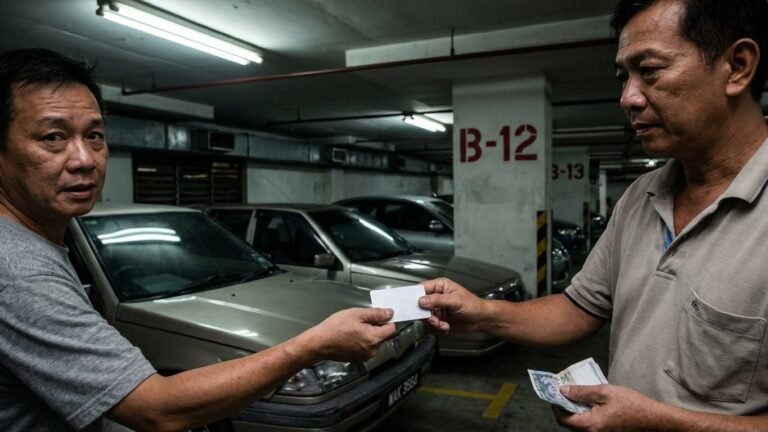
Most importantly, never pay deposits in cash or transfer them into an agent’s personal bank account. For registered property agents in Malaysia, all deposits must be paid into the agency’s official company account, not to an individual.
This protects you, ensures traceability, and filters out scammers who rely on personal accounts to avoid being identified. Paying only after these checks significantly reduces your risk of falling victim to a rental scam.
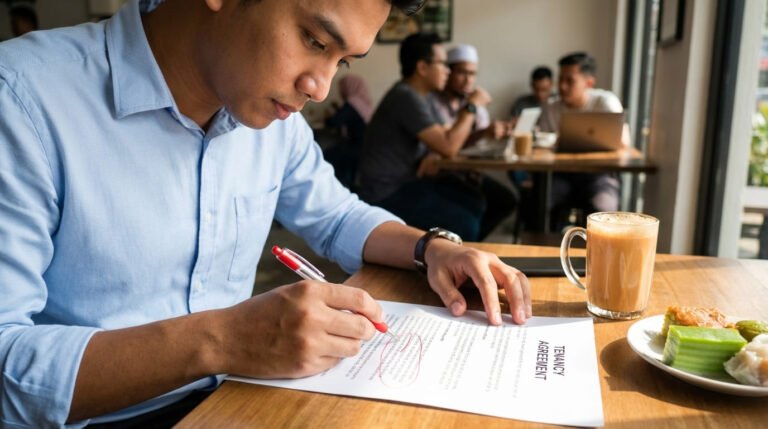
(d) Use a written tenancy agreement
WhatsApp is not protection.
A WhatsApp conversations, voice notes, and casual messages are not real protection. They can be deleted, misunderstood, or taken out of context — and scammers rely heavily on this weakness. A proper written tenancy agreement, on the other hand, clearly records all the essential details of the rental arrangement, including payment terms, deposit rules, move-in expectations, and handover conditions. When everything is documented formally, there is far less room for manipulation or confusion.
Having a structured agreement also forces both parties to verify identities, discuss terms clearly, and ensure that the rental is legitimate before any money is transferred. This single step alone filters out many scammers, because anyone with bad intentions will avoid paperwork or try to rush you into paying without signing anything.
A clear, well-prepared agreement is one of the simplest and strongest safeguards available. And this is exactly why DIYA tenancy packs exist — to make it easy for both tenants and landlords to document every key detail confidently and reduce the risk of misunderstandings, surprises, or scams.
5. How Landlords Can Protect Themselves
Landlords face a different set of risks. Here’s how to stay safe:
(a) Meet the tenant via video call or in person
This prevents scammers using fake identities.
(b) Request reasonable background details
These can include employment info or references. It’s not legal advice — just standard good practice.
(c) Do not trust screenshots of payment
Fake bank receipts and edited WhatsApp slips are extremely common.
Always wait for actual confirmation from your bank.
(d) Do not accept booking fees from someone who refuses to view the unit
Some scammers pretend to be tenants to initiate chargeback disputes or cause complications.
(e) Use a proper agreement that spells out responsibilities clearly
Many landlords rely on generic online templates when preparing a tenancy agreement, but these templates often leave out important details that protect the landlord’s interests.
When these gaps exist, misunderstandings become more likely, and scammers find it easier to exploit unclear terms.
A well-prepared agreement, on the other hand, spells out every important expectation in writing. This not only protects the landlord’s rental income, but also reduces the chances of disputes or dishonest behaviour from potential tenants. It creates a structured framework that keeps both sides accountable from day one.
This is where a DIYA agreement makes a real difference. Our DIYA Pro-Landlord tenancy agreement includes clear, detailed clauses on payment rules, deposit handling, and handover requirements — all designed to help landlords avoid confusion, prevent misunderstandings, and protect their rental income with confidence.
6. What To Do If You Suspect a Scam
Here are straightforward, non-legal steps:
- Stop all transfers immediately.
- Do not share your IC, bank details, or personal documents.
- Ask for verification — scammers often panic at this stage.
- Save all communication and screenshots.
- Inform friends or community groups to protect others.
- Trust your intuition if something feels wrong.
Final Thoughts
Rental scams are real, and they affect both tenants and landlords. But with awareness, simple verification steps, and proper documentation, anyone can protect themselves.
You don’t need legal knowledge to avoid scams — you just need to slow down, verify properly, and insist on clear agreements.
If you want a reliable tenancy agreement that reduces the risk of misunderstandings, protects deposits, and gives both sides clarity, the DIYA Tenancy Agreement Packs (Pro-Landlord and Pro-Tenant) are designed exactly for that.
A few minutes of preparation can save you from a very costly mistake. Stay alert, stay informed, and always verify before committing.