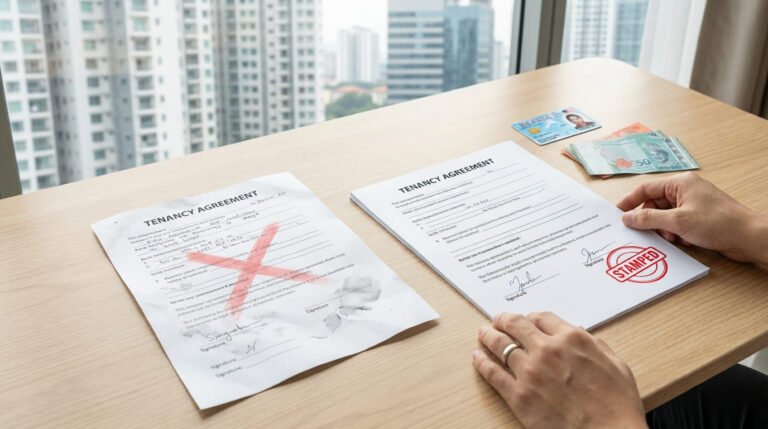
Your Landlord Wants to Increase Rent: What You Can Say Yes to — and What You Can Push Back On
Few messages make a tenant’s stomach drop faster than this one: “We’re renewing the tenancy, but the rent will be going up.”
Even if you half-expected it, the number still feels personal. You paid on time. You looked after the unit. You didn’t cause problems. So why now?
Here’s the important mindset shift: a rent increase is rarely about whether you were a “good” tenant. It’s about timing, leverage, and expectations. When you understand that, the conversation becomes far less stressful—and you often have more room to negotiate than you think.
This guide walks you through how to respond calmly and practically: when it makes sense to accept the increase, when it’s reasonable to push back, and how to negotiate without damaging the relationship or risking your deposit later.
First, check when the increase is happening
Timing changes everything.
If your landlord is proposing a rent increase during an ongoing tenancy, pause immediately. In most cases, the rent you agreed to is meant to last until the end of the tenancy period. Any change mid-way should already be addressed in your agreement. If it’s not, it’s reasonable to ask why the increase is being raised now and to refer back to what you signed.
If the increase is raised at renewal, that’s a different situation. Renewal is effectively a fresh negotiation. Both tenant and landlord are deciding whether to continue, and rent becomes part of that new decision.
At this point, many tenants panic or assume they have no choice. That’s usually not true—but your next step matters.
At renewal, check your tenancy agreement carefully
This is where many tenants miss an important protection.
If the increase is tied to renewal, the first thing you should do is check your tenancy agreement, not the property listing, not WhatsApp messages, and not market headlines.
A well-drafted, pro-tenant agreement often includes a clause that limits how much the rent can be increased upon renewal—for example, a maximum percentage or a requirement that the increase must align with market rates. If such a clause exists, it becomes your anchor in the discussion. You’re no longer arguing opinions; you’re pointing to agreed terms.
If there is no stated limit, that doesn’t mean you have zero leverage. It simply means the discussion is more open-ended, and you’ll need to rely on reasonableness, relationship, and alternatives instead of a fixed number.
Either way, knowing what your agreement says puts you in a much stronger position than reacting emotionally to the proposed figure.
What makes a rent increase “reasonable” in real life
Tenants often look for a magic percentage, but reasonableness is contextual.
Start with your own history in the unit. A long-term tenant who has paid rent on time and kept the property in good condition is valuable. Stability reduces vacancy risk, agent fees, and uncertainty for the landlord.
Next, consider the unit itself. Has anything been upgraded since you moved in? Are appliances ageing? Are there issues that have been tolerated rather than fixed? These factors matter when assessing whether the new rent truly reflects value.
Finally, look at the size and timing of the increase. A gradual adjustment after a long tenancy feels very different from a sharp jump with little notice. Market conditions are real, but they’re not one-size-fits-all. What matters is whether this unit, in its current condition, reasonably supports the new rent.
When saying “yes” is actually the smart move
Not every increase is worth resisting.
If your rent is already below market and the proposed increase still leaves you paying less than comparable units, accepting it may be cheaper than moving. When you add up deposits, moving costs, furniture, and the stress of house-hunting, staying put often has hidden value.
A good landlord–tenant relationship also counts. A landlord who respects your privacy, responds to repairs, and communicates clearly offers stability that’s hard to price. Paying slightly more for peace of mind can be a rational decision, not a defeat.
Sometimes, saying yes is simply choosing certainty over disruption.
When it’s fair to push back—and how to do it properly
Pushing back doesn’t mean being confrontational. It means being deliberate.
If the increase is steep, sudden, or unsupported by any explanation, it’s reasonable to ask questions. If the unit has unresolved maintenance issues, it’s fair to raise them before agreeing to higher rent. If the renewal comes with very short notice, timing alone may justify a discussion.
The key is how you respond. Avoid emotional language or comparisons with “other landlords.” Focus on your own tenancy. Point out your payment record, how you’ve cared for the unit, and any costs or inconveniences you’ve absorbed during your stay.
Instead of saying “no”, consider making a counter-proposal. Suggest a smaller increase, a longer renewal period to lock in stability, or a delayed adjustment after a few months. These responses show cooperation rather than resistance.
Use upgrades and furnishings as part of the negotiation
This is a point many tenants overlook.
Rent negotiation doesn’t have to be only about the number. If the landlord wants higher rent, it’s reasonable for the tenant to ask what comes with it. This is especially relevant if the unit is advertised as partially or fully furnished.
You can negotiate for practical improvements such as adding essential furniture, replacing an ageing washing machine, upgrading a fridge, or replacing an old television. Even small upgrades can significantly improve daily living and change how “worth it” the new rent feels.
Framing matters here. Instead of rejecting the increase outright, you’re saying: “If the rent goes up, can we also improve the unit so it reflects that value?”
Many landlords are more open to this than tenants expect, especially if it helps justify the new rent.
Tone matters more than the number
Many negotiations fail not because of the amount, but because of how the conversation is handled.
Messages sent in frustration escalate quickly and can damage goodwill that took years to build. A calm, written response that acknowledges the landlord’s position while explaining yours usually leads to better outcomes.
You don’t need legal threats or dramatic ultimatums. In the Malaysian context, politeness, clarity, and face-saving go a long way. Landlords value certainty, and a reasonable tenant who communicates well is often preferable to rolling the dice on a new one.
If you can’t agree, you still have options
Not every negotiation ends in agreement—and that’s okay.
You can request a short extension to plan your next move. You can accept temporarily while exploring alternatives. Or you can decide to leave, with proper notice and a clean handover.
What you should avoid is burning bridges. Renewal disputes often resurface during inspections and deposit discussions. Even if you’re moving out, keeping the conversation respectful protects you financially at the end.
A better way to think about rent increases
Rent increases aren’t about fairness or gratitude. They’re about leverage, timing, and clarity.
Tenants who understand their agreement, evaluate the situation realistically, and negotiate calmly tend to feel less anxious—and often secure better outcomes, whether they stay or move on.
And when renewal terms, notice periods, and rent adjustments are clearly written from the start, these conversations stop being emotional surprises and become straightforward decisions.