Landlord is Selling (or Sold) the House I’m Renting! What Do I Do Now?
The moment you see that “For Sale” sign go up outside your rental home, a wave of panic sets in. Do I have to move? Will I lose my deposit? What about my lease?
It’s a major life event for both landlords and tenants in Malaysia. While a property sale is a commercial transaction for the owner, for you, the tenant, it is a risk to your home security and peace of mind.
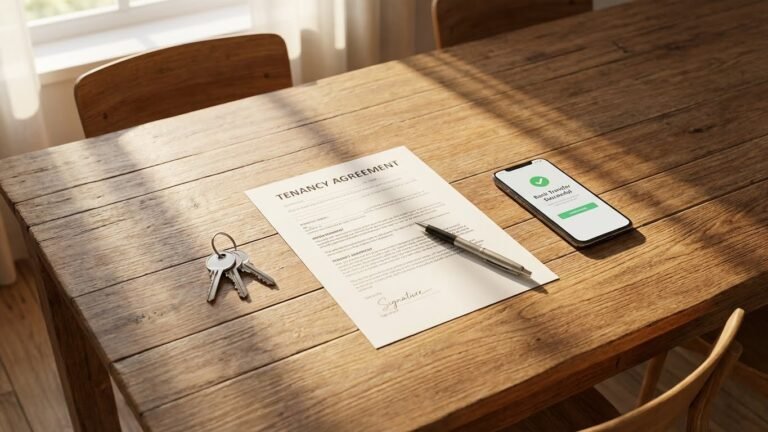
The key to navigating this situation without stress—and without packing prematurely—is your Tenancy Agreement. Your contract is your greatest defence.
This guide provides a clear, three-step action plan for Malaysian tenants whose rental property is being sold.
Step 1: Check Your Contract—Your Tenancy Is Your Shield
The first, and most important, step is to pull out your signed Tenancy Agreement and head straight to the General Provisions (usually Section 19). This is where the rules governing major events, like the sale of the property, are laid out.
A common principle is that an existing fixed-term tenancy agreement is generally binding on the new owner. However, many agreements contain specific “Sale of Property” clauses that can significantly alter this rule.
Here’s where your agreement’s wording matters most, revealing whether you have Pro-Tenant Protection or Pro-Landlord Flexibility:
Scenario A: Pro-Tenant Protection
In a tenant-focused agreement (like the DIYA Pro-Tenant model), the contract is designed to maximise your stability.
- The Clause Says: If the Landlord sells their ownership interest in the Premises, the Agreement shall remain valid and binding. The purchaser or new owner shall assume all rights and obligations of the Landlord.
- What this Means for You: You are fully protected. You can stay until the expiry date of your current lease , and the new owner cannot raise the rent or change the terms until the renewal period. You simply pay rent to the new owner.
Scenario B: Pro-Landlord Flexibility
In a landlord-focused agreement (like the DIYA Pro-Landlord model), the contract gives the seller an “exit strategy” if the buyer wants the property vacant.
- The Clause Says: The continuation of the Agreement with the purchaser or new owner shall be subject to the purchaser’s written consent. If the purchaser does not agree to assume the Landlord’s obligations, the Landlord may terminate this Agreement.
- What this Means for You: The agreement can be terminated early, but only on specific terms. The landlord must provide you with at least sixty (60) days’ written notice and must refund all deposits (less lawful deductions). While you must eventually move out, you have a set notice period to find a new place.
💡 DIYa Takeaway: The difference between a simple, fixed-term contract and a professionally drafted one can mean the difference between staying for your full lease term or having to move out within 60 days. Always check this clause before you sign!
Step 2: Manage Viewings While Protecting Your Quiet Enjoyment
When the property is up for sale, your landlord or their agent will inevitably request viewings. You are generally required to allow reasonable access, but you also have the Right to Quiet Enjoyment.
You must ensure that the viewing process does not become excessive, disruptive, or intrusive.
Here are your three key rights regarding property viewings:
A. Right to Adequate Notice
The Landlord, or their authorised agent, must give you prior written notice before entering for a viewing.
- Pro-Landlord Agreement: The notice period is typically a minimum of twelve (12) hours.
- Pro-Tenant Agreement: The notice period is typically forty-eight (48) hours.
If they show up without notice, you have the right to refuse entry, unless it is a genuine emergency.
B. Right to Reasonable Timing and Frequency
The Landlord must conduct viewings during reasonable hours and with due regard to your schedule.
The frequency of viewings should not exceed a set limit. In a Pro-Tenant agreement, this is often capped at two (2) occasions per week, unless you agree to more .
C. Document Everything
Always confirm the date, time, and purpose of the viewing in writing (email or WhatsApp). If the viewings become excessive, disruptive, or breach the notice period, send a polite, formal written complaint to the landlord or agent, referencing the specific clause (Section 7) of your agreement.
Step 3: Formalise the Handover with the New Owner
Regardless of which clause applies, you need to treat the final handover—whether to the old Landlord or the new Owner—as a formal, legal process.
If the Lease Continues with the New Owner
- Written Confirmation: Insist that the previous landlord provide a written notice confirming the new owner’s details and the bank account for future rent payments.
- Deposit Transfer: Confirm in writing that your Security Deposit and Utility Deposit funds have been formally transferred from the old Landlord to the new Owner. The new Owner assumes the responsibility for refunding it later.
If the Lease is Terminated Early (Pro-Landlord Clause)
- Notice and Vacate: Acknowledge the 60-day written notice and prepare to vacate by the stipulated date.
- Final Inspection: Ensure a joint inspection is conducted on the day of handover to agree on the property’s condition before deposits are discussed.
- Deposit Refund: The landlord must return your refundable deposits (less any valid deductions for damage or unpaid bills). In the Pro-Landlord model, this process can take up to sixty (60) days after the tenancy ends. Ensure you receive a written statement of deductions, if any.
Crucially, never assume anything. A verbal reassurance from the real estate agent is not legally binding. Your only protection is what is written and signed in your agreement.
Conclusion: Secure Your Tenancy with Clear Documents
The process of selling a house can be complex, but it shouldn’t be confusing for the tenant.
The biggest factor determining your fate is the clarity and strength of your initial tenancy agreement. When a major event like a sale occurs, having a comprehensive, bilingual document that clearly defines the rights of all parties—like the DIY Agreement Tenancy Packs—is invaluable.
Don’t wait until the “For Sale” sign appears to discover your rights. Secure a template that addresses scenarios like this and gives you the certainty and peace of mind you deserve.
Get a clear, customisable tenancy agreement today at DIYagreement.com!