What Can a Landlord Legally Deduct from a Security Deposit in Malaysia?
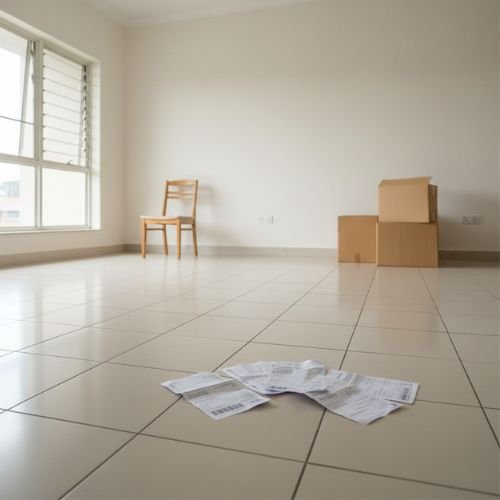
You’ve just moved out of your rental unit. The walls look fine, the air-cond still works — yet your landlord says RM1,000 will be deducted for “repainting and cleaning.”
Can they really do that?
Security deposit disputes are one of the most common issues between landlords and tenants in Malaysia. The problem often isn’t bad intention — it’s unclear expectations.
✳️ Why this happens: Landlords and tenants often view the same issue very differently. A landlord sees “damage” where a tenant sees “normal use.” Because each side has different priorities — one wants to protect the property, the other wants fairness — this is why it’s important to have a role-specific agreement that reflects both perspectives clearly.
That’s why our DIYA tenancy packs come in two versions: Pro-Landlord and Pro-Tenant — designed to protect each party’s real concerns while keeping things balanced under Malaysian practice.
1. What Exactly Is a Security Deposit?
A security deposit is an upfront payment (usually two months’ rent in Malaysia) collected when you sign a tenancy agreement.
Its purpose is to protect the landlord against potential losses — such as unpaid rent, damage to the property, or unpaid utility bills — during or after the tenancy.
It’s not an extra fee, and it’s not meant to cover normal living wear and tear.
At the end of the tenancy, the landlord must refund the deposit within the period stated in the agreement.
2. What Landlords Can Deduct (Legally and Reasonably)
Based on most Malaysian tenancy agreements, landlords can make deductions only for actual, proven costs.
Here’s what counts as reasonable:
✅ Unpaid Rent
If rent wasn’t paid up to the last day of tenancy, the landlord may deduct the outstanding amount directly from the deposit.
✅ Outstanding Utility Bills
Electricity, water, Indah Water, or internet charges that remain unpaid can be covered by the Utility Deposit (a separate sum).
✅ Damage Beyond Fair Wear and Tear
This refers to actual damage caused by misuse, neglect, or accidents — not normal aging of the property.
Examples of valid deductions include replacing a cracked mirror, repairing a broken wardrobe hinge, replacing a shattered window pane, or cleaning curtains badly stained by grease or cigarette smoke.
On the other hand, normal wear and tear — such as slightly faded wall paint, minor scuff marks, or loose cabinet handles from regular use — cannot be deducted from the deposit.
✅ Cleaning or Pest Control
If the unit is left excessively dirty or infested (for example, cockroach or bed bug issues from poor maintenance), the landlord can claim cleaning or pest control expenses.
✅ Missing or Broken Items
Anything listed in the inventory list that’s missing or damaged can be deducted at a fair replacement value.
✅ Administrative or Legal Costs
If explicitly stated in the agreement, landlords may deduct bank charges or legal enforcement costs related to the tenancy.
💡 DIYA’s Pro-Landlord Agreement allows deductions for these situations but also requires landlords to provide a written statement of deductions — ensuring fairness and transparency.
3. What Landlords Cannot Deduct
A landlord isn’t free to deduct money just because something “looks old.”
Here’s what should never be charged against the deposit:
❌ Normal Wear and Tear
Minor scuff marks, faded paint, or aging of fixtures that occur through normal use are part of natural depreciation — not “damage.”
❌ Renovation or Upgrade Costs
If a landlord decides to repaint or install new furniture to increase property value, that’s not the tenant’s responsibility.
❌ Unproven Damage
Verbal claims or unverified estimates without evidence (photos, invoices, or inspection reports) don’t justify deductions.
❌ Interest on Deposit
Under Malaysian practice, tenancy deposits are non-interest-bearing, meaning landlords cannot keep or charge interest from the deposit amount.
❌ “Convenience Fees” or Personal Preferences
Charges like “the cleaner prefers extra payment” or “I repainted to match my taste” are not valid deductions.
4. Best Practices to Avoid Deposit Disputes
Whether you’re a landlord or tenant, a little preparation saves a lot of conflict.
For Landlords:
- Conduct a joint inspection at handover and document condition with photos or videos.
- Provide a written breakdown of deductions with receipts or estimates.
- Keep copies of rent payment records and final utility bills.
- Always process the refund within the agreed timeframe.
For Tenants:
- Take photos on move-in and move-out days to prove the condition.
- Settle all utility bills and return receipts.
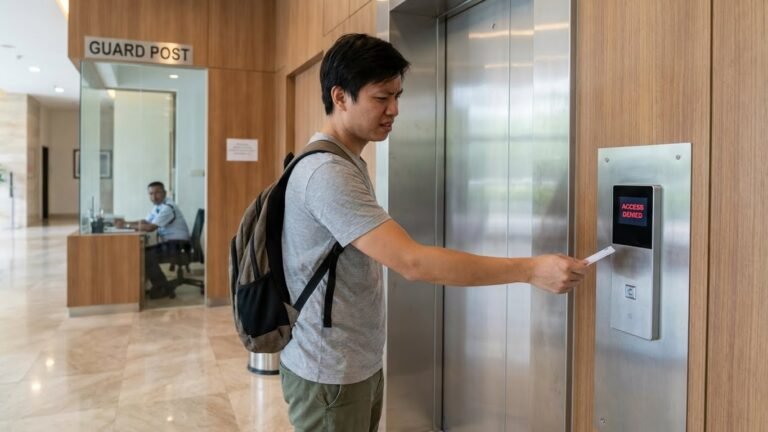
- Return all keys, access cards, and items from the inventory list.
- Read your tenancy agreement carefully — it defines exactly what can be deducted.
5. Fairness Is Built on Clarity
A well-written tenancy agreement doesn’t just protect one side — it protects the relationship.
When both parties know what’s fair, disputes rarely happen.
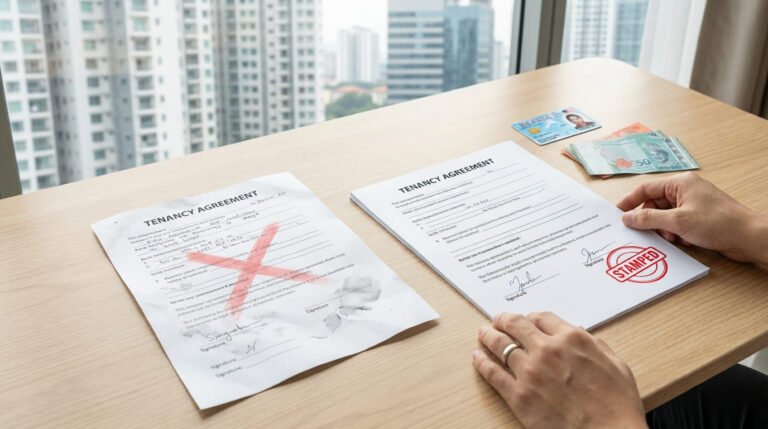
That’s why our bilingual DIY Agreement (DIYA) tenancy agreement packs include clear clauses on deposits, deductions, and refunds — giving both landlords and tenants confidence that everything is handled fairly and transparently.
👉 Download your DIYA Tenancy Pack today
Whether you’re a landlord or tenant, get a ready-to-use bilingual tenancy agreement that’s clear, balanced, and made for Malaysians.
Easy to edit. Easy to understand. Easy to protect yourself.