Can JMB Block Your Access Card for Unpaid Maintenance Fees? What’s Legal, What’s Not, and What Actually Happens in Malaysia
If you live in a condominium in Malaysia, this scenario may sound uncomfortably familiar.
One day, your lift card stops working. The guard tells you management has “instructions”. You call the management office and are told there are outstanding maintenance fees. Whether you are the owner or just the tenant, the result is the same: access suddenly becomes a problem.
So the question everyone asks — often too late — is simple:
Is it legal for JMB or the management office to block access cards to collect unpaid maintenance fees?
The short answer: they do have enforcement powers, but those powers are not unlimited. Some actions are widely accepted. Others sit in a legal grey zone. And a few can expose management to real disputes if challenged.
This article explains where the line is drawn in practice, and why this issue is more complicated than most people think.
First, Who Is Actually Responsible for Maintenance Fees?
Before we talk about enforcement, we need to clear up the most common misunderstanding.
Under Malaysian strata practice, maintenance fees are always the owner’s responsibility, not the tenant’s. The JMB or MC has a legal relationship with the registered owner of the unit. Even if the tenancy agreement says the tenant pays maintenance, that is a private arrangement between owner and tenant. It does not change who management is entitled to pursue.
This distinction matters because many access restrictions end up affecting tenants who are not legally the defaulter.
From management’s point of view, however, the pressure point is physical access — and that is where things get sensitive.
What Powers JMB or MC Clearly Have (No Controversy Here)
Let’s be fair. A JMB or MC is not acting out of malice. They are legally required to collect maintenance fees to pay for security, cleaning, lifts, insurance, and repairs. Without enforcement, the entire building suffers.
There are several actions that are widely accepted and rarely disputed.
Management can issue reminders, demand letters, and formal notices for arrears. They can charge late payment interest if provided for in the by-laws. They can initiate legal recovery against the owner through the tribunal or court. They may also restrict access to non-essential facilities such as the gym, swimming pool, function rooms, or recreational amenities.
These measures are generally seen as proportionate and defensible.
Problems arise when enforcement begins to interfere with daily living.
Blocking Access Cards: Not All Restrictions Are Equal
When people say “blocked access”, they often lump everything together. In reality, access restrictions fall into very different categories — and the legal risk increases as you move down the list.
Blocking Amenities: Usually Acceptable
Restricting access to optional facilities like the gym or pool is the least controversial measure. Courts and tribunals tend to view these as privileges rather than essential rights. As long as notices are given and applied consistently, this is rarely challenged successfully.
Blocking Car Park Access: A Grey Area
Disabling car park access cards or boom gates is where things become less clear-cut. While commonly practised, this can be problematic if it effectively traps residents or prevents them from using property they are otherwise entitled to occupy.
Management often relies on practicality here, but legality depends heavily on circumstances and how the restriction is applied.
Blocking Lift or Pedestrian Access: High Risk
This is where disputes usually arise.
When a resident cannot access the lift to reach their unit, or is denied entry through normal pedestrian access points, the restriction may interfere with the right to quiet enjoyment. This right is not about luxury or comfort; it is about basic occupation of one’s home.
The risk increases significantly if:
- The person affected is a tenant rather than the owner in arrears
- Access is blocked without clear prior notice
- Emergency access is compromised
- Guards are instructed to deny entry manually
At this level, enforcement may be seen as punitive rather than administrative — and that is where management becomes legally vulnerable.
Why This Is a Legal Grey Zone, Not a Black-and-White Answer
Many people want a simple yes-or-no answer. The reality is more nuanced.
Malaysian law tries to balance competing interests. Management has a duty to collect fees for the common good. Owners have property rights. Tenants have a right to occupy peacefully under a valid tenancy.
Because of this balance, enforcement actions must generally be reasonable, proportionate, and procedurally fair.
Blocking access that effectively locks someone out of their home may be viewed as excessive, especially if less intrusive measures are available. This does not mean management is automatically wrong — but it does mean the action is open to challenge.
That is why different buildings apply different policies, and why disputes often depend on specific facts rather than general rules.
What Owners Should Do If They Fall Into Arrears
If you are an owner and you are behind on maintenance fees, the worst thing you can do is disappear.
From a practical standpoint, early communication matters more than legal arguments. Most management offices are willing to discuss payment arrangements if approached early. Even partial payments can prevent escalation.
Owners should also remember that when access restrictions affect tenants, the dispute rarely stays contained. It spills into landlord–tenant relationships and can quickly become more expensive than the arrears themselves.
What Tenants Can — and Should Not — Do
Tenants are often the innocent party in these situations, but that does not mean every reaction is wise.
If access is restricted, the first step is to inform the landlord immediately in writing and keep records of rent payments. Tenants should not argue with guards, confront management staff, or take matters into their own hands.
At the same time, tenants should avoid withholding rent unilaterally or paying management directly unless the tenancy agreement clearly allows it. Those actions can create new disputes that did not previously exist.
The safest position is documentation, communication, and keeping the landlord accountable.
Why Clear Agreements Matter More Than People Realise
Many of these conflicts start long before any access card is disabled.
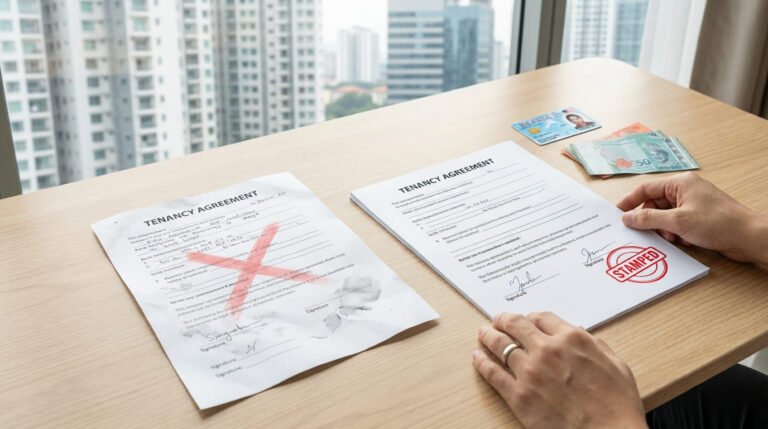
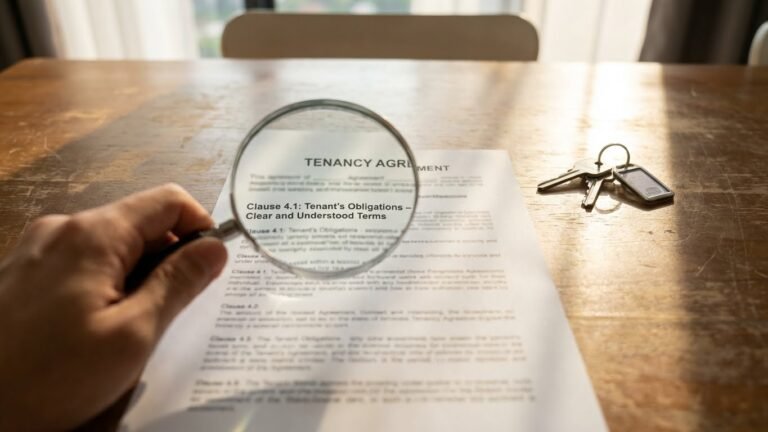
Unclear tenancy agreements often fail to spell out who pays maintenance, what happens if fees are overdue, and how building rules interact with the tenancy. When disputes arise, tenants get caught in the middle and management defaults to the fastest enforcement method available.
Clear, written agreements that align with building rules do not eliminate conflict — but they reduce confusion and prevent knee-jerk enforcement from becoming a crisis.
That clarity protects owners, tenants, and even management, because expectations are set before emotions get involved.
Final Thoughts
So, can JMB or management block access cards for unpaid maintenance fees?
They can enforce payment, but how they do it matters. Restricting non-essential privileges is one thing. Interfering with basic access to a home is another. The closer enforcement gets to denying occupation, the higher the legal and practical risk.
In Malaysia, this issue is rarely about one party being completely right or wrong. It is about proportionality, communication, and understanding where enforcement ends and overreach begins.
Knowing that difference — before a card is disabled — is what prevents most of these situations from escalating in the first place.
That’s why having a clear, well-structured tenancy agreement matters — our bilingual DIYAgreement tenancy packs help landlords and tenants set out responsibilities like maintenance fees upfront, so access issues don’t turn into avoidable disputes later on.