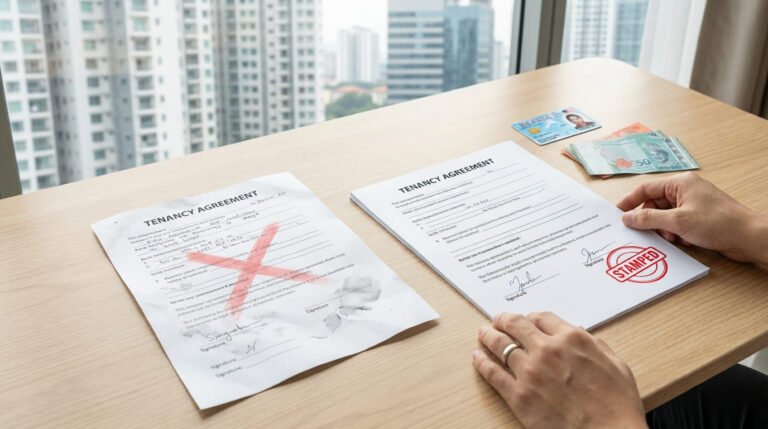
The Most Overlooked Clause in Tenancy Agreements: Aircon Servicing
If you’ve ever rented or leased out a home in Malaysia, you’ve probably come across this question sooner or later:
“Who’s supposed to service the air-conditioner?”
It sounds like a small detail — until the day the aircon stops blowing cold air or starts leaking water. Then suddenly, it becomes one of the most debated topics between landlords and tenants.
The truth is, air-conditioner servicing is one of the most overlooked yet important clauses in a tenancy agreement. It might not sound exciting, but it can make the difference between a smooth tenancy and a stressful deposit dispute.
💨 Why Aircon Servicing Matters
Air-conditioners are a major part of comfort in Malaysian homes. But like any machine, they need regular care to keep working efficiently. Dust, humidity, and long hours of use can cause filters to clog, cooling to drop, or water to leak — problems that are costly to fix if ignored.
Regular servicing not only keeps the air fresh and electricity bills lower — it also extends the lifespan of the unit.
When the aircon breaks down because of poor maintenance, someone has to pay. And that’s where the tenancy agreement comes in.
📄 What the Agreement Usually Says
Most tenancy agreements in Malaysia include a clause about air-conditioner maintenance. But many tenants and even some landlords don’t notice it until there’s a problem.
Here’s how it’s usually divided:
- Tenant’s responsibility:
To service and clean all air-conditioning units every six months, at their own cost, using a qualified technician. They must also keep the service receipts as proof. - Landlord’s responsibility:
To handle major repairs or replacement if the issue is not due to misuse — for example, a motor failure or compressor issue that happens despite regular servicing.
This means:
If you’re a tenant and you skip your regular aircon servicing, and later the unit breaks down due to clogged filters or leaks, the landlord can deduct the repair cost from your deposit — and it would be perfectly valid under most agreements.
But if you’ve done your part and can show proof of regular maintenance, then the repair should be the landlord’s responsibility.
⚡ Common Real-Life Disputes
Here are a few situations that happen all too often:
Scenario 1:
The tenant never services the aircon for two years. When it finally stops working, the technician says it’s because of dirty coils. The landlord deducts RM300 from the deposit to fix it — and the tenant feels unfairly treated.
Scenario 2:
The aircon suddenly stops working even though it has been regularly serviced. The landlord tells the tenant to pay for a full replacement. The tenant refuses, saying it’s wear and tear.
Scenario 3:
At handover, the landlord asks for proof of aircon servicing — but the tenant has no receipts. The landlord assumes it was never done and deducts the cleaning cost from the deposit.
All of these disputes could have been avoided if both sides had been clear on what the agreement said — and had proper documentation to support it.
🧾 How to Protect Yourself
For Tenants:
- Read your tenancy agreement carefully before signing — check who is responsible for aircon servicing.
- Service every unit at least once every 6 months (more often if you use it daily).
- Keep receipts or service reports. Even a photo of the technician’s invoice is helpful.
- Notify your landlord early if you notice strange sounds, leaks, or reduced cooling — before it becomes a bigger problem.
For Landlords:
- Remind tenants of their servicing obligation at the start of the tenancy.
- Request proof of servicing once or twice a year.
- If the tenant fails to maintain the aircon and damage occurs, document the issue with photos and technician reports before making deductions.
- Include a clear aircon clause in your agreement — it saves a lot of argument later.
💡 Why Clarity Prevents Conflict
Most deposit disputes don’t happen because people are dishonest — they happen because expectations were never clearly stated. A good tenancy agreement should make it obvious who handles what, in both English and Bahasa Malaysia, so there’s no misunderstanding.
That’s why our bilingual DIYA Tenancy Agreement Packs spell out air-conditioning servicing duties clearly for both sides. Whether you’re a landlord or tenant, you’ll know exactly what’s expected — so you can focus on living comfortably, not arguing over receipts.
🏠 DIYA makes tenancy easy — simple, bilingual, and fair for both sides.
Available in Pro-Landlord and Pro-Tenant versions, each with a complete guidebook to help you manage your rental confidently.