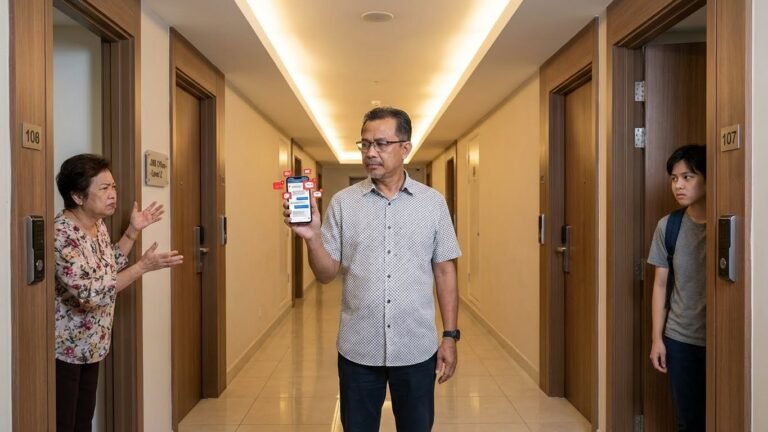
How Long Should a Landlord Take to Refund Your Deposit in Malaysia?
If you’ve ever moved out of a rented unit, you’ve probably asked this question:
“When will I get my deposit back?”
For landlords, the concern is often the opposite:
“The tenant already left — how long do I have to refund the deposit?”
It’s one of the most common sources of tension in Malaysian tenancies — not because people are dishonest, but because many tenancy agreements don’t clearly state how long the refund should take.
Let’s make it clear once and for all.
💰 What the Deposit Is Really For
Most tenancy agreements in Malaysia include two main types of deposits: the security deposit and the utility deposit.
The security deposit protects the landlord if rent goes unpaid, the property is damaged, or the tenant breaches the agreement. It usually equals about two months’ rent.
The utility deposit covers final electricity, water, or sewerage bills that may arrive after the tenant moves out. It’s often half a month’s rent.
Both deposits are refundable, but only after:
- All rent and utility bills are fully settled
- The property is returned in good condition (allowing for normal wear and tear)
- All keys, access cards, and items provided are returned
⏳ So How Long Is “Reasonable”?
Here’s the tricky part: Malaysia doesn’t have a fixed law that says exactly how long a landlord has to refund.
So the answer depends entirely on what’s written in your tenancy agreement.
In most cases, refund timelines fall into these general ranges:
- Around 30 to 60 days in landlord-friendly agreements
- Around 14 days or less in tenant-friendly agreements
- Or simply “within a reasonable time”, which is vague and often leads to disputes
In our DIY Agreement Pro-Landlord Agreement, the refund period is set at within 60 days after the tenancy ends, giving landlords time to confirm final utility bills and any repair deductions.
Meanwhile, the Pro-Tenant Agreement requires refunds within 14 days once all bills are received and verified, so tenants get their money back faster.
Same situation, two perspectives — which is why DIY Agreement offers separate versions for each side.
⚖️ What’s Fair for Both Landlord and Tenant
A fair refund process gives both sides peace of mind.
Ideally, this is how it should go:
- Conduct a joint inspection on handover day.
- Settle or show proof of all outstanding bills.
- Confirm any deductions in writing.
- Refund the balance within the agreed timeline.
If deductions are made — for example, to cover damage or unpaid rent — the landlord should provide an itemised list and receipts.
That keeps everything transparent and avoids unnecessary arguments.
🧠 Common Misunderstandings
1. “The landlord can keep the deposit if the tenant leaves early.”
Not always. It depends entirely on what your tenancy agreement says.
Some agreements allow the landlord to forfeit part or all of the deposit if the tenant ends the tenancy before the expiry date. Others may only allow the landlord to deduct for actual losses, such as unpaid rent for the remaining term or reasonable re-letting costs.
2. “Tenant can use the deposit to pay the last month’s rent.”
Only if the agreement specifically allows it.
Our Pro-Tenant version permits it for the security-deposit portion only, while the Pro-Landlord version does not allow it at all.
3. “If the landlord delays refunding, nothing can be done.”
Tenants have options.
They can send a formal written reminder or demand letter. If the issue drags on, they can file a claim at the Tribunal for Consumer Claims Malaysia, which handles disputes under RM50,000 quickly and affordably.
🧹 How to Avoid Deposit Drama
For Landlords
- Always inspect the property together with the tenant.
- Take photos of every room and fixture.
- Keep receipts for repairs, cleaning, or utility charges.
- Communicate deductions clearly and provide proof.
For Tenants
- Pay all final bills before handing over keys.
- Return every key, card, and access item.
- Keep WhatsApp or email records of your move-out and refund discussions.
Good communication and proper documentation can save both sides a lot of stress later.
📝 Final Thoughts
A clear deposit refund process isn’t just about money — it’s about trust.
When both sides know exactly when and how the refund will happen, tenancies end smoothly and respectfully.
That’s why every DIYA Tenancy Agreement Pack — whether for landlords or tenants — includes:
- Clear refund timelines
- Realistic conditions for deductions
- Step-by-step guidebooks in English and Bahasa Malaysia
✅ With the right agreement, you’ll never have to ask, “When will I get my deposit back?” again.