When Repairs Take Too Long: How Tenants Should Escalate Problems Without Burning Bridges
Almost every condo tenant in Malaysia has experienced this.
You report a problem politely. The air-conditioner isn’t cooling properly. There’s a slow leak under the sink. A light keeps tripping. The landlord replies, “Okay, I’ll check with the technician.”
Then… nothing.
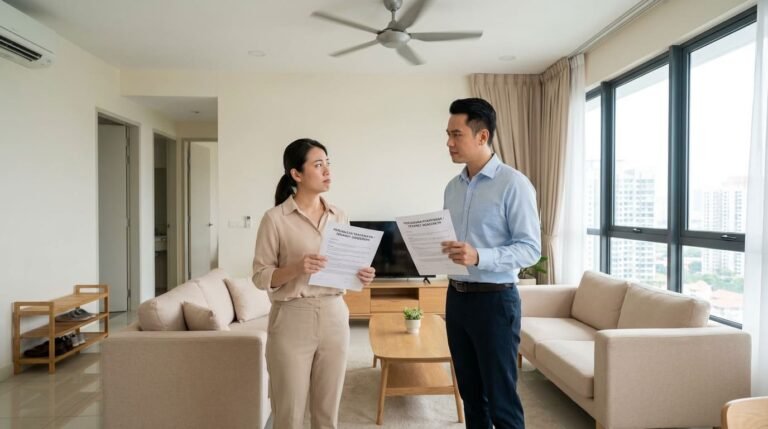
A few days pass. You don’t want to sound pushy. Another week goes by. You start feeling annoyed, but you also worry that following up too much will make you look difficult. By the time you message again, frustration has already crept into your tone — and suddenly, what started as a simple repair becomes an awkward relationship problem.
The truth is, most repair issues don’t go bad because tenants are unreasonable. They go bad because tenants escalate too late, too emotionally, or without structure.
This guide focuses on everyday, slow-moving repairs — the kind that aren’t emergencies, but slowly wear you down — and how to move them forward calmly, clearly, and without burning bridges.
The silent frustration phase most tenants get stuck in
Condo repair issues usually follow the same pattern.
You report the issue early, hoping it’s minor. The landlord acknowledges it. You wait, assuming it will be handled soon. When nothing happens, you hesitate to follow up because you don’t want to seem demanding.
This silence feels polite, but it quietly works against you.
The longer you wait without documentation or follow-up, the harder it becomes to restart the conversation without emotion. By the time you do, the message often carries frustration — and that changes how the landlord receives it.
Escalation that works starts before emotions take over.
Not all repairs are equal — and treating them the same causes problems
Before escalating anything, it helps to mentally sort the issue.
Everyday slow repairs include things like air-conditioners losing efficiency, taps dripping, appliances making odd noises, or lights tripping occasionally. They are inconvenient, but not immediately dangerous.
Because they’re not urgent, tenants often feel unsure about timing. They don’t know how long is “reasonable” to wait, so they default to waiting too long.
Understanding that these issues are legitimate — even if not urgent — helps you approach follow-ups with confidence instead of guilt.
Why tenants wait too long (and why it backfires)
Most tenants delay follow-ups for good reasons.
They want to maintain a good relationship. They don’t want to be labelled troublesome. They assume the landlord is busy or dealing with management or technicians.
But silence creates ambiguity. The landlord may assume the issue resolved itself, isn’t serious, or can be dealt with later. Meanwhile, your frustration grows quietly.
By the time you follow up emotionally, the conversation has already shifted from “repair coordination” to “relationship tension”.
Early, calm follow-ups prevent this.
Step one: following up without sounding hostile
The first follow-up should feel routine, not emotional.
Instead of focusing on how long you’ve waited, anchor your message in facts. Refer to the original report. Mention the issue clearly. Ask about next steps, not blame.
A neutral tone matters more than the wording itself. You’re not chasing; you’re checking status.
Written communication helps. Messages create clarity and reduce misunderstanding. They also create a natural record without turning the situation into a legal standoff.
At this stage, your goal isn’t escalation — it’s momentum.
Step two: knowing when and how to escalate gently
If another reasonable amount of time passes with no progress, escalation becomes appropriate.
Escalation doesn’t mean threats. It means increasing clarity.
This is where you restate the issue more firmly, explain the ongoing inconvenience, and ask for a clearer timeline. You’re not questioning intent; you’re asking for certainty.
Photos or short videos can help, especially for issues like leaks or malfunctioning appliances. They remove ambiguity and reduce back-and-forth explanations.
The key shift here is from “just checking” to “we need a plan”.
Condo reality: why repairs often move slowly
Condo tenants often blame landlords when delays happen, but the reality is more layered.
Many condo repairs involve building management, approved vendors, access scheduling, or shared facilities. Even willing landlords can get stuck waiting for approvals or technicians.
Understanding this doesn’t mean accepting endless delays. It means adjusting your approach. Instead of pressing emotionally, ask whether the issue is pending management approval, technician availability, or something else.
Clarity beats pressure in condo environments.
What not to do — even when you’re fed up
This part matters because many tenants accidentally hurt their own position.
Withholding rent over slow repairs almost always backfires. So does arranging repairs yourself without consent, unless it’s an emergency. Sending angry messages, long emotional explanations, or passive-aggressive remarks also tends to stall progress rather than speed it up.
Publicly complaining in resident WhatsApp groups or social media may feel satisfying, but it can damage trust and complicate deposit discussions later.
None of these actions speed things up in the long run.
If the repair still doesn’t happen
Sometimes, despite best efforts, progress remains slow.
At this point, your documentation becomes valuable. Clear records of when the issue was reported, followed up, and acknowledged help shift discussions from emotion to facts.
You can explore practical alternatives: temporary fixes, technician options, or adjustments that make daily life manageable while waiting. In longer delays, some tenants choose to negotiate solutions rather than argue responsibility.
The goal isn’t to “win” — it’s to protect your comfort and your position.
Escalation is a skill, not a fight
Everyday repair delays are part of condo living. What determines whether they become stressful disputes isn’t the problem itself, but how it’s handled.
Tenants who escalate early, calmly, and clearly tend to get better outcomes — and maintain healthier landlord relationships. Those who wait silently and then explode emotionally usually end up with strained communication and lingering resentment.
Escalation doesn’t have to burn bridges. When done right, it actually strengthens clarity on both sides.
In the end, managing repairs well isn’t about being aggressive or passive. It’s about knowing when to speak, how to speak, and keeping the focus on solutions rather than frustration.
That’s also why having a clear, pro-tenant tenancy agreement matters — when maintenance responsibilities and response expectations are written properly from the start, everyday repair issues are far easier to manage without tension or guesswork.