Unspoken Expectations: 10 Things Malaysian Landlords Assume Tenants Know, But They Actually Don’t
If you ask Malaysian landlords what frustrates them most, many won’t say “late rent” or “noise complaints.”
Instead, they’ll say something simpler: “I thought the tenant already knew this.”
If you ask tenants the same question, they’ll often say: “But nobody told me!”
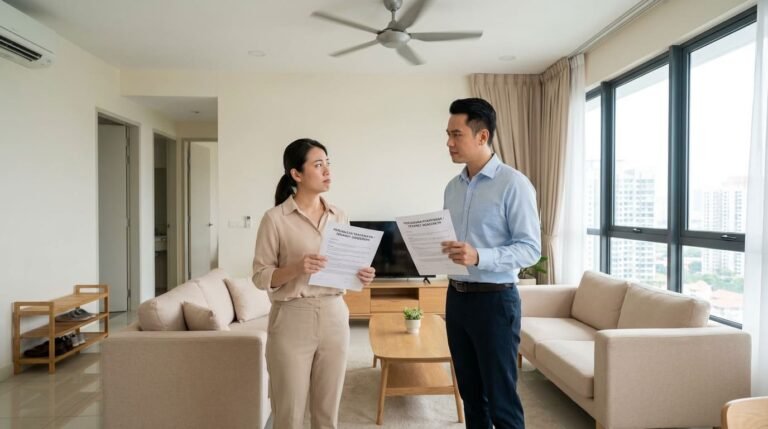
Most conflicts in a tenancy don’t come from bad intentions. They come from assumptions.
Landlords assume tenants “should know.”
Tenants assume landlords “will clarify.”
But both sides often misunderstand each other, and the result is avoidable conflict, unnecessary deposit deductions, and strained relationships.
In this article, we highlight the 10 most common things Malaysian landlords assume tenants already know, but many genuinely don’t. These are based on real disputes, condo management issues, and common misunderstandings we see across Malaysia.
When both sides understand these expectations clearly, the entire tenancy runs smoother. And when the tenancy agreement already spells them out clearly, everyone avoids unnecessary drama.
That’s why DIYA tenancy agreements are crafted to make expectations clear for both landlords and tenants — in simple, practical language.
Let’s dive in.
1. Aircond servicing is not just important — it is the tenant’s responsibility
Many landlords assume tenants understand this, but many tenants don’t.
Most tenants know the aircond needs servicing every few months. But what they don’t realise is:
• They must arrange it themselves
• They must pay for it
• They must service it at the correct frequency (usually every 3–6 months)
• They must provide proof when the landlord asks
When aircond units are not serviced, problems like water leakage, weak airflow, mould, or compressor damage happen — and these repairs can cost hundreds or thousands of ringgit.
Most tenancy agreements in Malaysia (including DIYA’s Pro-Landlord version) make this responsibility very clear. But many tenants still believe servicing is “only needed when something goes wrong.”
In reality, servicing is preventative. And when the lack of maintenance causes damage, the tenant is usually responsible for the repair bill.
Good communication on this point alone prevents many disputes.
2. “Fair wear and tear” is different from damage
Tenants often think everything that breaks is “normal wear.”
Landlords assume tenants can automatically tell the difference.
Wear and tear includes things like:
• Fading paint
• Slightly worn hinges
• Minor scratches from normal daily use
Damage includes:
• Broken cabinets from force
• Chipped tiles from impact
• Water damage caused by unreported leaks
• Heavy stains
• Pet-related destruction
Without clear definitions, arguments happen at the end of the tenancy. A good tenancy agreement should define this clearly and give examples so tenants understand what is expected.
3. The unit must be returned clean — not “as it is”
To landlords, it’s common sense: hand back the unit in a clean, move-in-ready condition.
But tenants often assume: “I clean a bit can already. It wasn’t spotless when I moved in.”
The misunderstanding comes from different standards. For landlords, cleaning means:
• Wiping cupboards
• Sweeping and mopping
• Cleaning bathrooms
• Removing dust and stains
• Clearing rubbish
When cleaning expectations are vague, disputes happen. This is why pre-handover checklists and inspection photos are so important.
4. You cannot change the locks without permission
Tenants often think: “I’m the one staying here, so I can change the lock if I want.”
Landlords assume tenants know they need permission.
Lock changes affect the landlord’s right of entry for emergencies and inspections. Without a full set of keys, the landlord may be legally restricted from doing urgent repairs or responding to emergencies.
Tenants can change locks if the agreement allows it, but only with written consent and only if the landlord gets a full set of keys immediately.
5. Visitors and overnight guests are not the same thing
Tenants assume visiting friends or relatives is normal and doesn’t need mentioning.
Landlords assume they should be informed if someone stays overnight or long-term.
Some landlords are relaxed. Others worry about:
• Security
• JMB rules
• Noise complaints
• Overcrowding
• Misuse of facilities
Condo management rules often distinguish between “visitors” and “occupants.” A tenancy agreement should clearly define this so both sides know what is acceptable.
6. Replacements must be of similar or better quality
When tenants break something and replace it cheaply, landlords often get frustrated.
Example: A good-quality RM150 LED light is replaced with a RM20 dim yellow bulb. Or a branded kitchen tap is replaced with a flimsy one.
To tenants, they “fixed” the item.
To landlords, the property lost value.
This is why agreements usually say “replace with similar or better quality.” A like-for-like replacement keeps everything fair and consistent.
7. Rent must still be paid even if there are issues
Many tenants wrongly believe that if something in the unit is damaged or not working, they can “deduct from rent.”
Landlords assume tenants know this isn’t allowed.
Even when repairs take time, withholding rent is considered a breach of contract. The proper process is:
• Report the issue
• Give reasonable time for repairs
• Follow the remedies stated in the agreement (for example, rent abatement if allowed)
Good communication avoids unnecessary escalation.
8. Problems must be reported early — not at handover
One of the biggest landlord frustrations is discovering during move-out that:
• Aircond has been leaking for months
• The bathroom has mould
• A kitchen cabinet has rotted
• A pipe has been dripping continuously
Tenants sometimes think reporting early will “cause trouble for the landlord.”
But unreported issues almost always cause bigger, more expensive problems later.
Most agreements require tenants to report issues promptly — and failing to do so makes them liable for resulting damage.
9. The deposit is not a “maximum penalty”
Tenants often think the landlord “cannot charge more than the deposit.”
But the deposit is not a cap.
It is only a partial protection.
If damages exceed the deposit, the tenant may still need to pay more.
If everything is in good condition, the deposit should be refunded fully and fairly.
Clarity on both sides prevents this from becoming emotional.
10. Final utility bills may arrive weeks after move-out
Most Malaysians assume all bills are “instant.”
But TNB, Syabas, and Indah Water often issue final bills long after the tenant has moved out.
Landlords assume tenants know this.
Tenants assume landlords are delaying the deposit.
This is why the Utility Deposit exists.
A good tenancy agreement explains exactly how and when the refund will be made once the final bills arrive.
A smoother tenancy begins with clear expectations
Many disagreements between Malaysian landlords and tenants come down to assumptions, not bad intentions. When expectations are clear from the start, both sides enjoy a smoother, more respectful tenancy.
And clarity always begins with a good agreement.
Most problems in this article — aircond servicing, lock changes, cleanliness, visitor rules, wear and tear, final bills — are already covered in well-written, role-specific agreements.
That’s why our DIYA tenancy packs are designed to be clear, practical, and easy to understand for both sides. Every agreement comes in English + BM, editable Word format, plus a guidebook to explain every clause in simple language.
Whether you’re a landlord or a tenant, starting with the right agreement helps you avoid hidden assumptions and enjoy a fair, transparent tenancy from day one.